


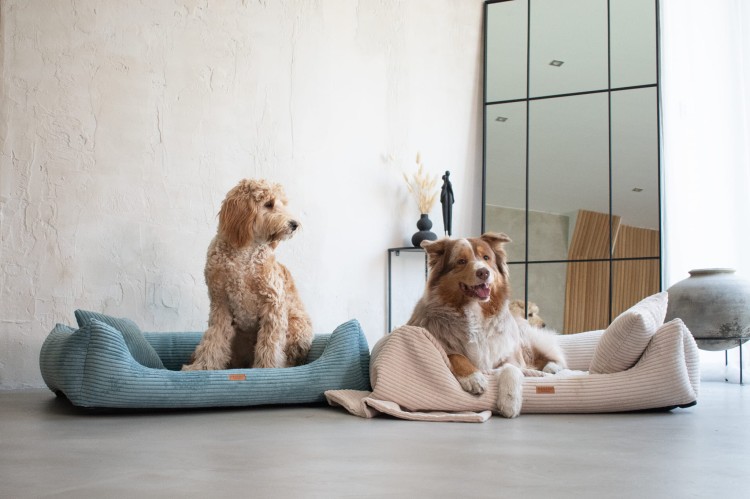
🦴 What Is an Orthopedic Dog Bed?
An orthopedic dog bed is designed to support your dog’s body by evenly distributing weight and reducing pressure on joints and bones.
Most high-quality options use memory foam or high-density foam, which adapts to your dog’s shape and helps relieve pressure points.
💡 And it’s not just for older dogs – orthopedic beds are also great for prevention, especially for active or larger breeds.
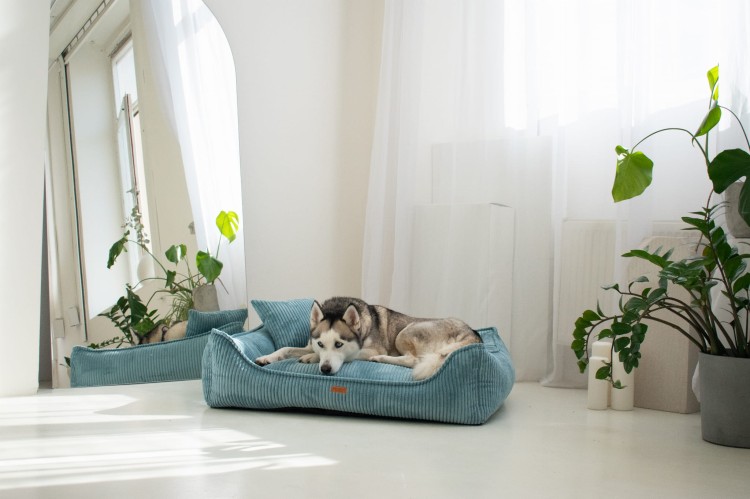
🐾 Which Dogs Need an Orthopedic Bed?
Orthopedic beds are especially recommended for:
- senior dogs
- dogs with joint issues (arthritis, hip dysplasia)
- dogs recovering from surgery
- large or heavy breeds
But even healthy dogs benefit from better support and deeper, more restorative sleep.
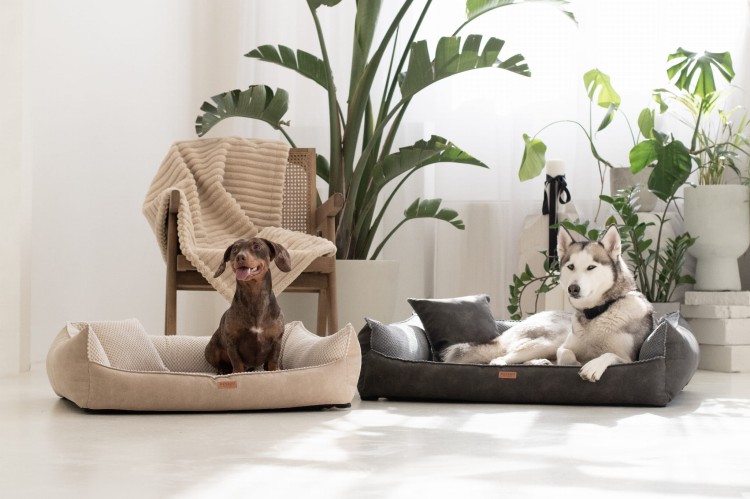
📏 1. Choose the Right Size
Size matters more than most people think.
👉 Your dog should be able to:
- stretch out fully
- change positions comfortably
- rest without hanging off the edges
A bed that’s too small won’t provide proper support, while one that’s too large may not feel as secure.
🧱 2. Focus on the Filling (This Is Key)
The inside of the bed is what really makes the difference.
👉 Look for:
- memory foam
- high-density supportive foam
- multi-layer construction (firm base + softer top layer)
👉 Avoid:
- cheap foam that collapses quickly
- polyester filling or stuffing
Good support reduces joint pressure and improves sleep quality.
📐 3. Thickness = Comfort
The heavier the dog, the thicker the bed should be.
- small dogs: at least 5–6 cm
- medium dogs: 8–10 cm
- large dogs: 10–12 cm or more
If the bed is too thin, your dog will feel the floor – and the orthopedic effect is lost.
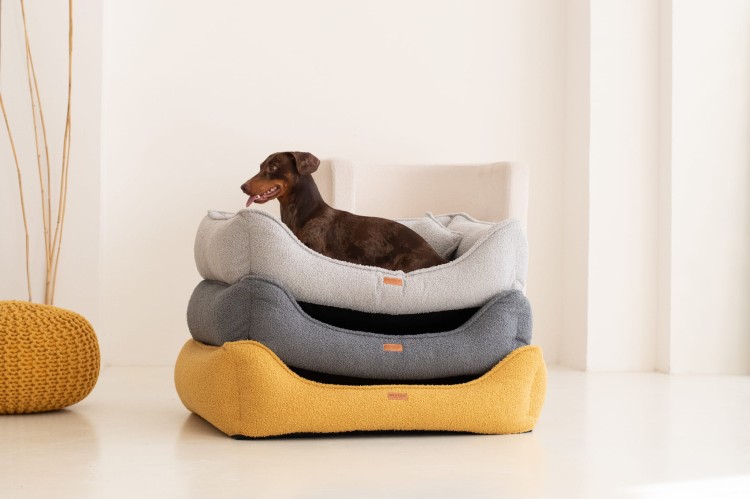
🧼 4. Easy-to-Clean Cover
A good dog bed should be practical for everyday use.
👉 Look for:
- removable covers
- machine-washable fabric
- durable, stain-resistant materials
- breathable fabric
Bonus: a water-resistant inner layer helps protect the foam.
🐕 5. Comfort & Safety Details
Small details make a big difference.
Consider:
- a non-slip bottom
- stable construction
- easy access (important for older dogs)
- raised edges (for dogs that like head support)
These features improve both comfort and usability.
💛 Why It Really Matters
A high-quality orthopedic dog bed can:
- improve sleep quality
- reduce joint strain
- support recovery
- help prevent future issues
Your dog spends a big part of the day resting – so their bed truly matters.
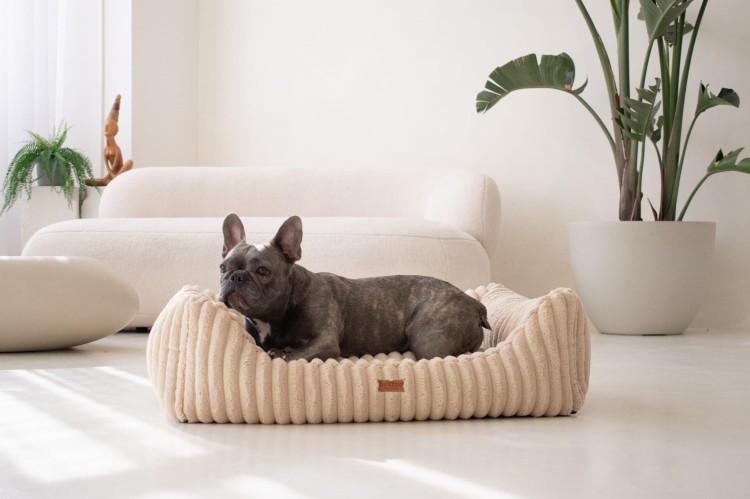
Discover Dog Beds at Kissenland
At Kissenland, we focus on combining:
- comfort for your dog
- quality materials
- beautiful, timeless design
Our collection includes:
- soft and supportive dog beds
- options for different dog sizes
- designs that fit naturally into your home